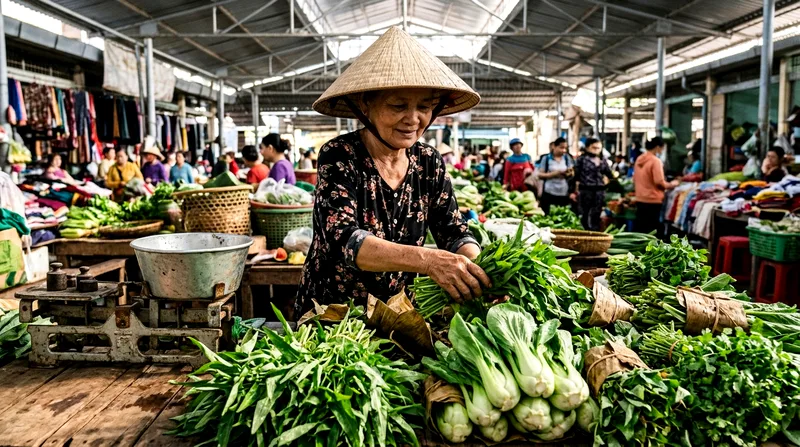
Da Nang Market Tours: Han Market, Con Market and Fish Markets
Compare guided Da Nang market tours of Han Market and Con Market, from street breakfast walks to cooking-class add-ons, and learn how to choose and book.
10 min read · 24 Oct 2026
Tours & activities
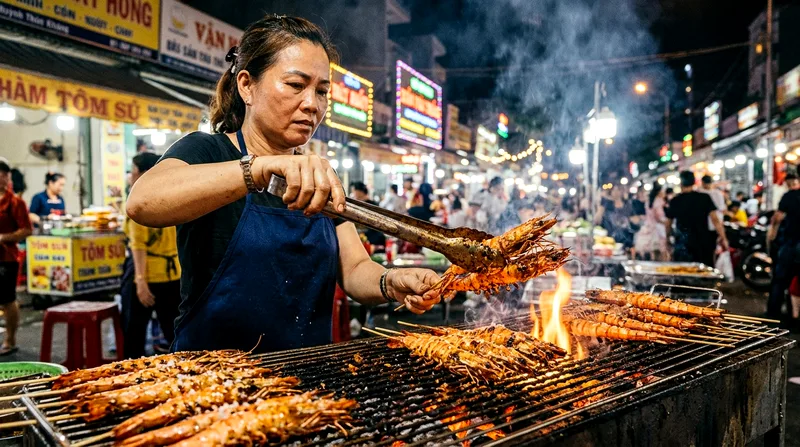
Compare Da Nang food tours by format: walking, motorbike, night market and cooking classes. See who each suits, what to check when booking and when to go.
Da Nang's food scene runs from morning noodle stalls to beachside seafood and night market snacks, and the right tour format decides whether you taste it all or just queue at the tourist spots. The city doesn't have the postcard fame of Hoi An's lantern-lit alleys, but that's partly the point — fewer tour buses, more plastic stools, and guides who still eat at the same stalls as their neighbors. Picking a format isn't really about budget. It's about how you want to move through the city and how much you want a guide filling in context versus just pointing at menus.
If you've never been to Vietnam, a group walking tour or a small-van tour removes the two biggest frictions: language and location. You don't need to know that mi quang is a Quang Nam specialty rather than a Hanoi dish, or that the best banh xeo stall might be three streets back from the river with no English sign. A guide handles ordering, flags what's safe for a first-timer's stomach, and explains etiquette — like why you shouldn't tip the stall owner directly if the tour already pools gratuities. Solo travelers often prefer group tours for this reason too: you get company without having to coordinate anything, and most group tours run with eight to twelve people, small enough that you'll actually talk to someone. Skip the big bus tours that bundle food stops with temple visits — the food portion gets rushed into twenty-minute windows that don't suit grazing.
Families with young kids do better on a private van or walking tour with a flexible pace — night markets get crowded and overstimulating for anyone under six, and motorbike tours are generally not an option if you've got toddlers along (most operators won't carry children under a set age, often around 10, without a child seat they don't provide). Couples tend to enjoy the motorbike food tours most; riding pillion through Da Nang's evening traffic to a string of hole-in-the-wall stalls feels like an experience in itself, not just a meal delivery mechanism. If you've got dietary restrictions — vegetarian, shellfish allergy, gluten issues — a private tour is worth the premium because the guide can pre-arrange substitutions with vendors instead of hoping a stall owner understands "no fish sauce" mid-order.
There are really four formats worth comparing, and they don't overlap as much as the marketing photos suggest. Walking tours are the most common and the easiest to find on platforms like Viator or GetYourGuide — low commitment, usually three to four hours, covering maybe five to seven stops within a compact radius, often starting near the Han River. Motorbike tours trade comfort for range: you'll cover stops scattered across districts that a walking group would never reach on foot, often finishing with a ride near Dragon Bridge timed to its evening lights. Night market tours lean more experiential than exhaustive — you're grazing a single location like Son Tra Night Market rather than hopping between neighborhoods. Cooking classes are the outlier: less about eating your way through the city and more about taking a skill home, usually including a market visit beforehand.
Motorbike tours cover the most ground, while cooking classes trade food volume for a hands-on skill — the right pick depends on mobility and how much time you have.
Da Nang food tour formats compared: duration, pace and who they suit
| Tour Format | Typical Duration | Area Covered | Group Size | Best For |
|---|---|---|---|---|
| Walking tour | 3-4 hours | One or two neighborhoods | Small group (8-12) | First-timers, solo travelers |
| Motorbike tour | 3-4 hours | Wide, multiple districts | Pair or small group | Couples, adventurous eaters |
| Night market tour | 2-3 hours | Single market location | Small group or private | Families, short stays |
| Van/private tour | 3-5 hours | Flexible, wide | Private or small group | Dietary needs, families with kids |
| Cooking class | 4-5 hours | Market plus kitchen | Small group or private | Hands-on learners, longer stays |
Durations and group sizes are typical ranges; always confirm specifics and current pricing when booking.
Walking tours suit anyone who wants to digest at a human pace and chat with the guide between stops — but they're limited to whatever's walkable, so you'll likely stay within one or two neighborhoods near the river or Son Tra area. Motorbike tours (sometimes marketed as a "Da Nang motorbike food tour" specifically) solve that limitation; a typical run might hit six to eight stops across a wider loop in three to four hours, including spots locals actually frequent rather than ones clustered for tourist convenience. The catch: you're on the back of someone else's bike in Da Nang traffic, which isn't light, and if you're nervous about two-wheel transport this format will undercut the food experience with anxiety. Van tours split the difference — more range than walking, more comfort than motorbike, but you lose the immersive feel and sometimes the smaller stalls that a motorbike can park right outside.
A dedicated night market tour is less about volume of dishes and more about atmosphere — stalls selling grilled seafood, fresh spring rolls, sugarcane juice, and snacks you'd otherwise have no idea how to order. These tours run shorter, often two to three hours, and suit travelers who want one concentrated experience rather than a citywide crawl. Cooking classes, run by operators such as Cookly-listed providers or standalone outfits like A Chef's Tour, typically start with a market tour in the morning — buying herbs, rice paper, and proteins — followed by hands-on preparation of three or four dishes, often including banh xeo and fresh spring rolls. These run four to five hours and suit people who want a souvenir skill more than maximum food volume. If you're only in Da Nang for a day or two, a cooking class eats into your sightseeing time more than the other formats — weigh that before booking.
Da Nang food tours tend to circle around a core set of regional dishes rather than generic Vietnamese fare you'd find anywhere, which is part of the appeal. What shows up on your plate says a lot about whether a tour is doing its homework or just hitting whatever's convenient for a bus to park near.
Mi quang is the dish to watch for — turmeric-colored noodles in a shallow broth, topped with shrimp, pork, herbs, and a rice cracker, and it's specific to the Quang Nam region that includes Da Nang and Hoi An. If a tour skips it, that's a red flag about how local the itinerary really is. Banh xeo, the crispy turmeric pancake folded around pork, shrimp, and bean sprouts, usually appears too, often wrapped in rice paper with herbs at the table — messy, hands-on, and worth the napkins. Expect also banh trang cuon thit heo (grilled pork in rice paper), bun cha ca (fish cake noodle soup, especially good near the coast), and che, a layered dessert drink sold from carts that's easy to miss if you're not told where to look. Compare this against Hoi An's cao lau or Hue's bun bo hue — regional specificity is the whole reason to book a local guide instead of just wandering into whatever restaurant has an English menu.
Good tours use geography deliberately. Riverside stops near the Han River often lean into grilled seafood and evening snacks, timed so you're there when Dragon Bridge lights up or breathes fire on weekend nights (Saturday and Sunday around 9pm, worth checking current schedule). Beach-area stops, especially near My Khe, tend toward fresh seafood — grilled squid, clams in lemongrass broth — sold from casual stalls rather than sit-down restaurants. Night market stops, whether at Son Tra or a smaller local market, are where you'll find the snack-sized stuff: nem nuong (grilled pork skewers), banh beo (steamed rice cakes), and fruit shakes. A tour that only does one of these zones is giving you a narrower slice than one that strings all three together — ask what neighborhoods are covered before you book, not just how many "stops" are promised.
Tour listings on platforms like TripAdvisor, Viator, and GetYourGuide can look nearly identical in photos while differing a lot in what's actually included. Read past the headline price and into the fine print — that's where the real differences between a good and a disappointing tour show up.
Check whether drinks are included beyond water — beer or fresh juice sometimes costs extra even on "all-inclusive" listings. Confirm whether transport between stops is on foot, by van, or by motorbike, since listings aren't always clear until you read the itinerary tab closely. Group tours are cheaper and more social but move at a fixed pace; a private Da Nang food tour costs more but lets you skip a stop you're not hungry for, linger at one you love, or start later if you're not a morning person. For families or anyone with mobility limits, ask specifically whether seating is on plastic stools at street level — common, and not always mentioned upfront, and tough on knees or backs for older travelers.
Look for free cancellation up to 24 hours before the tour — it's common on major platforms but not universal, and Da Nang's weather can turn a street food walk into a soggy, unpleasant one with little warning during rainy months. Hygiene standards at street stalls vary more than guidebooks admit; a reliable guide will know which vendors turn over food quickly and which have been inconsistent, so read recent reviews (not just the overall star rating) for mentions of stomach issues. Vegetarian accommodation exists but is inconsistent — fish sauce is in nearly everything by default, so if you're vegetarian, message the operator directly before booking rather than assuming the listing's "dietary options available" line covers it properly.
Timing affects both comfort and what's actually available to eat. Da Nang's heat and humidity are real factors, and vendors' hours shift around them more than tourists expect.
Morning tours, often starting around 7:30-8:30am, catch the breakfast-and-market rhythm — mi quang stalls, fresh produce markets, and cooler walking conditions before the midday heat sets in. Evening tours, typically starting around 5-6pm, line up with night markets, riverside lights, and the Dragon Bridge weekend show, but come with bigger crowds and a livelier, noisier pace. If you're prone to heat fatigue or traveling with older relatives, morning is the more comfortable choice; if you want atmosphere and are fine with crowds, evening wins. Cooking classes almost always run in the morning since they start with a market visit — produce quality and selection drop noticeably by afternoon.
Da Nang's dry season, roughly February through August, is the easier window for outdoor walking and motorbike tours — less rain disruption, though June through August gets genuinely hot and humid. The wet season, September through December, brings a real risk of heavy rain and occasional storm disruption, particularly October and November, so build flexibility into your plans and favor tours with easy rescheduling. Book two to three days ahead in peak months (roughly June-August and around Lunar New Year) since small-group and private tours fill up; in quieter months you can often book a day ahead with no trouble. Compare this to Phu Quoc or Nha Trang, where food tours are less weather-sensitive because they lean more on resort dining — Da Nang's street-level format means weather matters more here.
Most include a local guide, five to eight food tastings or stops, and water. Transport (walking, van, or motorbike) and extra drinks like beer or fresh juice vary by listing — check the inclusions list carefully rather than assuming, since "all-inclusive" branding doesn't always mean alcohol or transport is covered.
Walking and motorbike food tours typically run three to four hours. Night market tours run shorter, around two to three hours. Cooking classes run longest, often four to five hours, since they include a market visit plus hands-on cooking time.
For first-time visitors, yes — a guide saves you from language barriers and helps you find stalls you'd otherwise walk past without knowing they're worth stopping at. If you already speak some Vietnamese or are comfortable navigating street food solo, you can replicate much of it yourself for less, minus the context and introductions.
Some do, but it's inconsistent since fish sauce is a default ingredient in many dishes. Message the operator directly before booking to confirm vegetarian substitutions can actually be arranged with vendors, rather than relying on a generic "dietary options available" line in the listing.
Yes, most formats — walking, motorbike, van, and cooking classes — offer a private version, usually at a higher per-person cost than group tours. It's worth it for families, dietary restrictions, or anyone wanting flexible pacing and stop selection.
Compare guided Da Nang market tours of Han Market and Con Market, from street breakfast walks to cooking-class add-ons, and learn how to choose and book.
10 min read · 24 Oct 2026
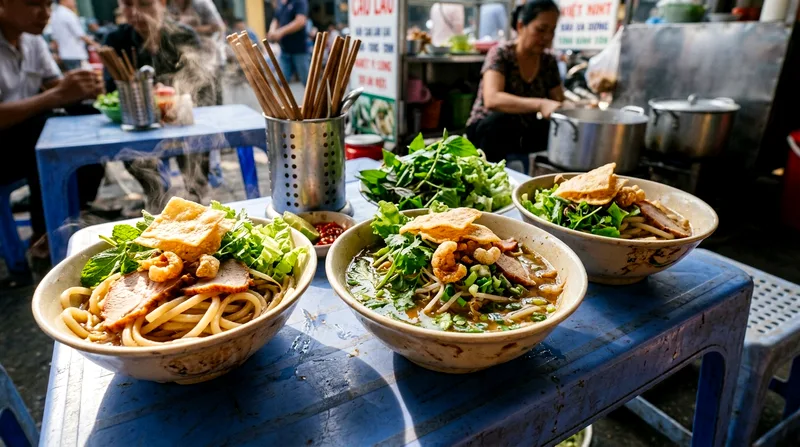
Wondering what to eat in Da Nang? Explore mi quang, banh xeo, banh trang cuon thit heo and fresh seafood, plus how food tours help you taste it all.
11 min read · 24 Oct 2026
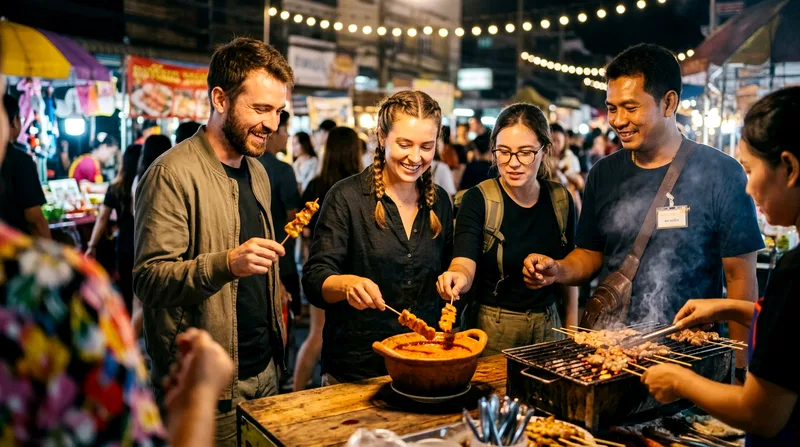
Da Nang food tour vs night market: compare cost level, time, effort, crowds and dishes to decide when a guide is worth paying for and when DIY wins.
10 min read · 24 Oct 2026
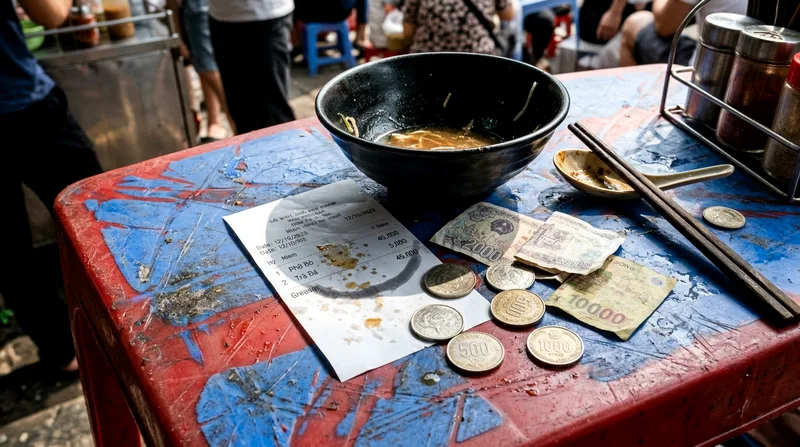
See what food, beer, taxis and attractions cost in Da Nang, where your budget goes, and how to save without cutting corners or tourist mark-ups.
9 min read · 24 Oct 2026
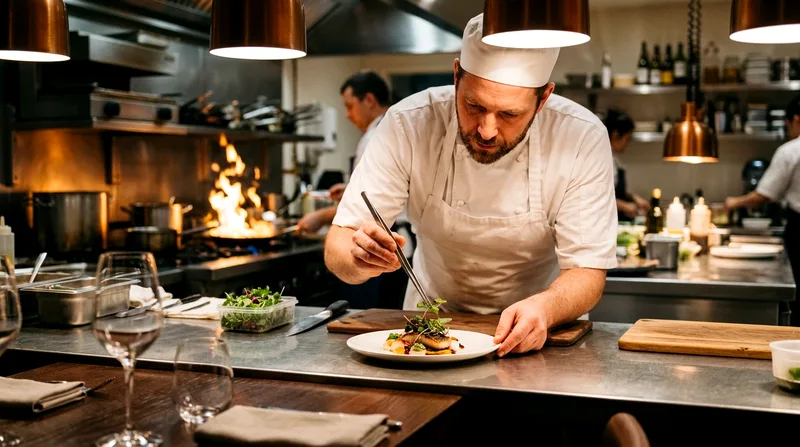
Explore the Da Nang Michelin Guide: starred, Bib Gourmand and selected restaurants, what inspectors praised, and how to reserve or walk in at each spot.
10 min read · 24 Oct 2026
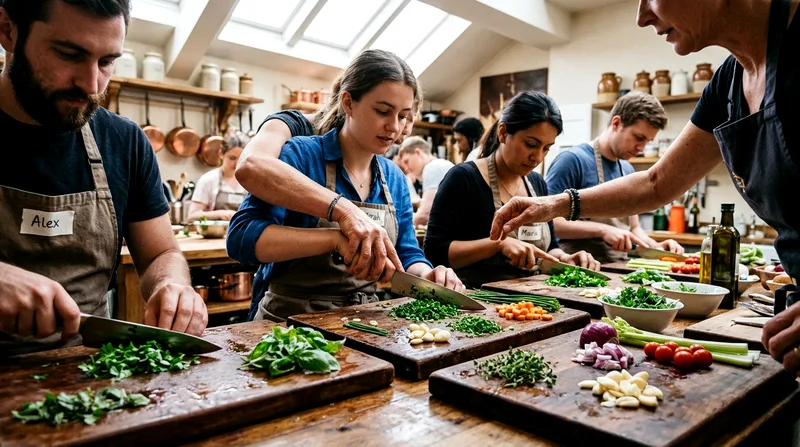
Compare Da Nang cooking class formats: market-to-table, home-based, family-friendly and vegetarian. See what you'll cook and how to book wisely.
10 min read · 24 Oct 2026
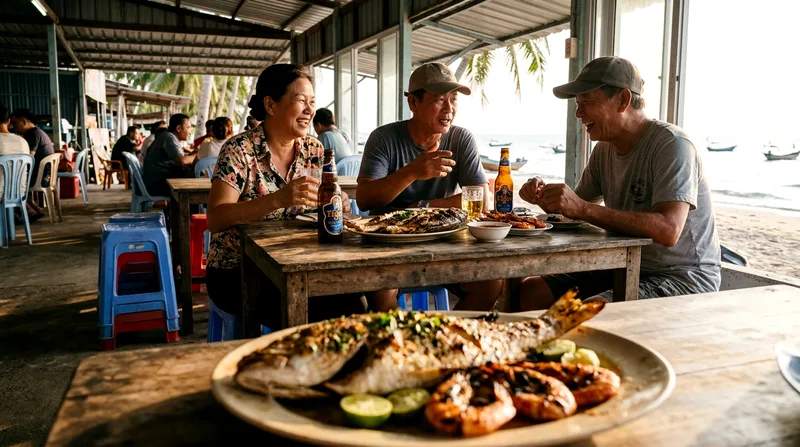
Find the best restaurants in Da Nang with a neighbourhood guide to local institutions, seafood spots, and how to avoid beachfront tourist traps.
13 min read · 24 Oct 2026
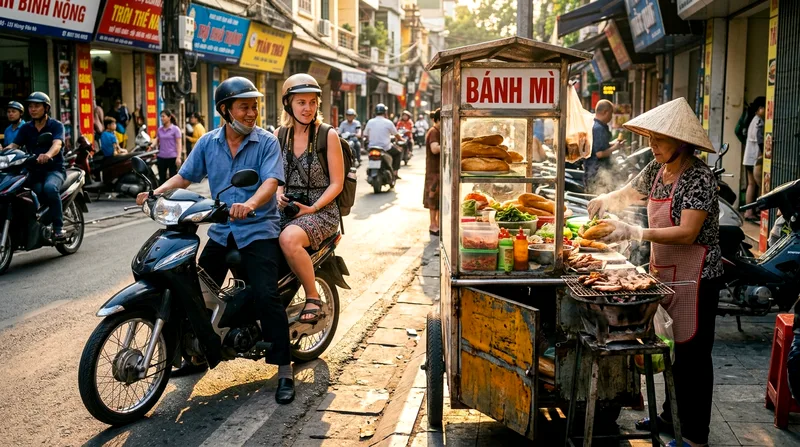
Compare Da Nang motorbike food tours by safety, dishes tasted and comfort for nervous first-timers, plus how to choose and when to book your ride.
10 min read · 24 Oct 2026
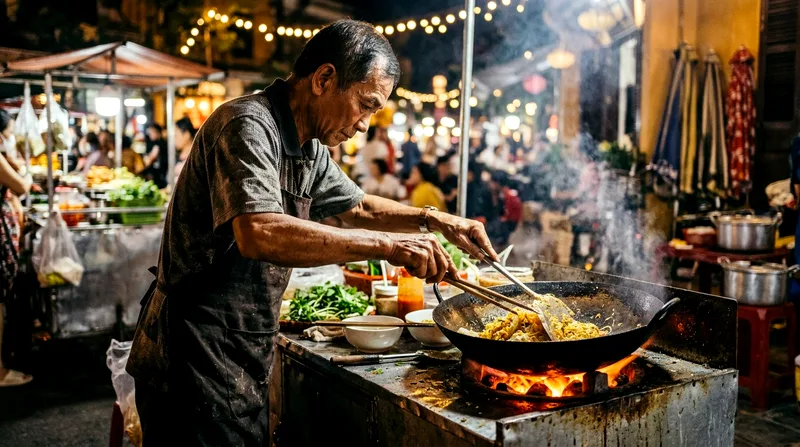
Compare the Da Nang night market scene: Helio for food and live vibes, Son Tra for souvenirs, plus when a guided food tour beats going solo.
9 min read · 24 Oct 2026