
Da Nang Fireworks Festival: Tickets, Grandstand & Cruise Guide
Plan your Da Nang fireworks festival: compare grandstand seats and river cruise views, learn how to buy official tickets, and pick the best spot to watch.
10 min read · 24 Oct 2026

Da Nang Best Time to Visit
Find the best time to visit Da Nang with a season-by-season weather guide, plus which beaches, tours and day trips suit each month. Plan with confidence.
Book a beach week in Da Nang during a typhoon swell and you'll spend half your trip watching rain hammer the hotel window instead of swimming at My Khe Beach. Book too early in the dry season and you might hit a cold, grey spell that still shows up on forecasts as "dry season." The honest answer to the Da Nang best time to visit question isn't a single month — it's a trade-off between weather reliability, sea conditions, and how many other travelers you'll be sharing Ba Na Hills with.
This guide breaks Da Nang weather into its real seasonal blocks, not the vague "dry versus wet" split you'll find on most sites. It tells you which months suit swimming, which suit sightseeing in the hills, and which months you should actively avoid unless you're flexible and lucky. By the end you'll know roughly when to book flights, which tours to prioritize in each season, and what to pack so you're not caught out by a Hai Van Pass morning that starts cool and ends humid.
Da Nang sits on Vietnam's central coast, which means it doesn't follow the same seasonal pattern as Hanoi in the north or Ho Chi Minh City in the south. Ho Chi Minh City runs on a simple wet-dry split tied to the southern monsoon; Hanoi gets a proper cold winter. Da Nang's climate is shaped by its central position and its exposure to the South China Sea, which gives it a short, intense rainy season and a longer, generally reliable dry stretch.
Temperatures stay warm year-round, rarely dropping below 18°C even in the coolest months of December and January. That's worth knowing if you're comparing Da Nang to Hue, just an hour north over the Hai Van Pass — Hue's winter rain tends to run colder and greyer, with a noticeably damper feel because of its river-valley setting. Da Nang's coastal position keeps it a few degrees warmer and drier than Hue for most of the year, which is one reason package itineraries often base travelers in Da Nang and day-trip to Hue rather than the other way round.
February to May offers the most reliable combination of sun, calm seas and manageable crowds for a Da Nang trip.
Da Nang best time to visit by season: weather, sea conditions and crowds compared
| Season | Months | Rainfall | Sea Conditions | Crowd Level |
|---|---|---|---|---|
| Dry season (peak) | Feb-May | Low | Calm, clear | High (Mar-Apr holidays) |
| Early summer | Late May-Jun | Low-moderate | Calm, warm | Moderate |
| Peak summer heat | Jul-Aug | Low, occasional storms | Calm but hot | High (school holidays) |
| Early wet season | Sep | Rising | Choppier | Low |
| Typhoon risk window | Oct-Nov | Very high | Rough, risky | Very low |
| Cool wet season | Dec-Jan | Moderate-high | Choppy, cool | Low-moderate |
Figures reflect typical seasonal patterns; always check short-term forecasts before booking boat trips or outdoor tours.
Da Nang really has two seasons, not four. The dry season runs roughly February through August, with the driest, sunniest stretch from February to May. The wet season runs from September through January, with the heaviest rain and highest typhoon risk concentrated in October and November. Unlike a lot of Southeast Asia's gentle afternoon monsoon pattern, Da Nang's wet season can bring multi-day downpours and occasional tropical storms strong enough to disrupt flights and ferries — including the boat crossing to the Cham Islands, which typically suspends entirely during bad weather.
Sea temperatures stay swimmable nearly all year, generally sitting between 24°C and 29°C. The real variable isn't water temperature — it's wave height and water clarity. From February to May the sea tends to be calm and clear, good for snorkeling trips out to the Cham Islands. From October through December, swells pick up and water visibility drops, which matters if snorkeling or diving is the main reason you're coming. Humidity is high year-round, generally 75-85%, but it feels worse in the wet season when it combines with lower temperatures and constant cloud cover rather than dry heat.
This is the window most guidebooks point to, and for good reason. Skies are generally clear, rainfall is low, and the sea is calm enough for swimming and snorkeling without much caution. Daytime temperatures sit comfortably in the 25-32°C range, climbing toward the hotter end as you approach May. It's also the period when Tet (Vietnamese New Year, usually falling in late January or February) can briefly disrupt things — expect some closures and a spike in domestic travel and local transport prices around the holiday itself, even though the weather is good.
The trade-off is crowding and cost. March and April, especially around public holidays, bring noticeably more visitors to My Khe Beach and longer queues at Ba Na Hills. If you're comparing this to Hoi An Ancient Town during the same months, expect similarly busy lantern-lit streets and a harder time getting a table at popular restaurants without a reservation. If crowds bother you, late April into May is a reasonable compromise — the weather holds, but the post-holiday lull thins out the tour buses somewhat.
My Khe Beach is at its best in this window — calm surf, decent visibility, and warm enough water that you won't hesitate before getting in. It's also when Cham Islands snorkeling and diving day trips run most reliably, since boat operators cancel far less often in calm seas. Book Cham Islands tours for March or April if snorkeling is a priority; visibility tends to drop once the wet season swells arrive in autumn. Son Tra Peninsula's coastal roads and viewpoints are also far more pleasant to drive in dry, cooler air than in the sticky heat of July.
Ba Na Hills sits at elevation, and its weather doesn't always match what's happening at sea level in Da Nang — the Golden Bridge is famous for its mist, but heavy fog in the wet season can mean zero visibility, which defeats the point of visiting. February to May is the best stretch for actually seeing the view from the bridge rather than just walking through cloud. Marble Mountains, at a lower elevation and with less dependence on clear skies, are a safer bet year-round, but the limestone caves and climbing stairs are far more comfortable to tackle before the summer heat sets in.
June through August is Da Nang's hottest stretch, with daytime temperatures regularly hitting 33-35°C and humidity that makes it feel hotter still. It's also dry — rainfall is low — so this period gets lumped in with the "dry season" even though it feels completely different from the mild, breezy months of February and March. This is peak season for domestic Vietnamese tourism and European summer holidaymakers alike, so expect the highest hotel rates and busiest beaches of the year, rivaling what you'd find in Nha Trang or Phu Quoc during the same months.
I wouldn't recommend this window for travelers sensitive to heat, especially families with young children or senior travelers. Midday temperatures make extended outdoor sightseeing genuinely uncomfortable, and heat exhaustion is a real risk if you're pushing through a full day of walking tours. The upside: long daylight hours and consistently dry weather mean you can plan outdoor activities with confidence, provided you work around the heat rather than through it.
The practical move in summer is to flip your schedule. Hit My Khe Beach or book water sports — jet-skiing, parasailing, stand-up paddleboarding — in the early morning before 9am or after 4pm, when the sun is lower and the heat more bearable. Save the hottest hours, roughly 11am to 3pm, for lunch, air-conditioned museums, or a hotel pool break. Marble Mountains and Ba Na Hills visits should also start early; cable cars and outdoor viewpoints get uncomfortably hot and crowded by midday.
Hoi An's Ancient Town has almost no shade, and its narrow streets trap heat worse than Da Nang's open beachfront — plan an Hoi An day trip for early morning or dusk, when the lantern displays also look their best. Son Tra Peninsula, with its forested hills and the giant Lady Buddha statue, stays a few degrees cooler thanks to tree cover and sea breeze, making it a more forgiving midday option than the open mountain terrain at Ba Na Hills.
This is the season most travelers should plan around rather than into. September eases in with rising rainfall, but October and November carry the real typhoon risk — tropical storms forming in the South China Sea can bring sustained heavy rain, flooding, and occasionally flight or ferry disruptions. December and January cool down and rain becomes more intermittent, though skies stay grey and the sea turns choppy and uninviting for swimming.
This doesn't mean skip Da Nang entirely in these months. Flights and hotels are noticeably cheaper, and the city itself is far less crowded — if your main goal is food, culture, or a quieter pace rather than beach time, this is actually a reasonable budget window. Just go in with flexible plans, travel insurance that covers trip disruption, and a packing list that includes a proper rain jacket rather than a cheap poncho. What I wouldn't do is book a beach-only holiday for October or November — that's gambling against the worst weather of the year for the one activity you came for.
Rain is actually a decent excuse to focus on Da Nang's food scene — street food tours through local markets, cooking classes, and museum visits (the Museum of Cham Sculpture, for instance) all work fine regardless of weather. Covered markets and indoor dining options mean a wet afternoon doesn't have to be wasted, and this is when booking a half-day food tour or cooking class makes more sense than trying to force an outdoor itinerary.
The Hai Van Pass drive is one of the most scenic stretches of coastal road in Vietnam, but it's also genuinely dangerous in heavy rain and low visibility — fog rolls in fast at elevation, and the road has tight hairpin bends with limited guardrails. If you're set on a Hai Van Pass or Hue day trip during the wet season, check conditions the morning of and be ready to reschedule; a private car with an experienced driver handles it far better than a motorbike in these months. Hue's citadel and tombs are still worth visiting in the rain, just pack real waterproofing rather than relying on the open-air layout to stay dry.
There isn't one single Da Nang best month to visit — it depends on what you're optimizing for. A couple chasing a quiet, photogenic beach week wants a different month than a family working around school holidays or a budget traveler trying to avoid peak pricing.
For beach-first trips, March through May wins on balance — calm seas, clear skies, and manageable heat. If festivals matter to you, the Da Nang International Fireworks Festival typically runs over several weeks in the summer (June-July in recent editions), drawing crowds to the riverfront and pushing up hotel rates near My Khe Beach significantly; book accommodation months ahead if you want to attend. Tet, usually in late January or February, is culturally fascinating but comes with widespread closures of shops and some restaurants for several days, so it's better for cultural immersion than for a relaxed itinerary.
If dodging crowds and saving money matters more than guaranteed sun, aim for late May to early June or September. You'll get a mix of decent weather and noticeably lower hotel rates compared to the March-April or July-August peaks, and attractions like Ba Na Hills and Marble Mountains are far less packed with tour groups. Avoid October and November if budget is your only motivation — the savings aren't worth the typhoon risk and the real chance of a washed-out trip.
If you want the safest bet, aim for February through May — book Cham Islands snorkeling, Ba Na Hills cable car tickets, and Marble Mountains tours for this window, when clear skies make the Golden Bridge views and beach days actually deliver. If heat doesn't bother you and you don't mind higher prices, June to August works for long beach days provided you shift sightseeing to early mornings. Avoid locking in a beach-focused itinerary for October or November unless you're comfortable with real schedule risk; if you do travel then, lean into food tours, museums, and flexible day trips to Hue instead. Whatever month you land on, compare current tour and ticket options for Ba Na Hills, Cham Islands boat trips, and Hoi An day trips before you book, since availability and operating schedules shift with the season.
March and April generally offer the best balance of sunny weather, calm seas, and moderate heat, though they're also among the busiest months. If you want similar weather with fewer crowds, aim for late May or the first half of June instead.
Typhoon risk is highest in October and November, with September also seeing rising rainfall as the shift from dry to wet season begins. Storms can disrupt flights, ferries to the Cham Islands, and mountain road access, so build flexibility into any trip booked during these months.
Yes, if you're not relying on beach days or clear mountain views. Food tours, markets, museums, and city sightseeing work fine in the rain, and hotel and flight prices drop noticeably from September through January outside of the worst typhoon weeks.
June and July typically bring the highest temperatures, often reaching 33-35°C with high humidity. Plan outdoor activities for early morning or late afternoon and keep midday hours for air-conditioned breaks or beach lounging in the shade.
February through August generally offers swimmable, calm conditions at My Khe Beach, with the clearest water and gentlest waves from February to May. From October through December, rougher seas and lower visibility make swimming less pleasant and occasionally unsafe.
Plan your Da Nang fireworks festival: compare grandstand seats and river cruise views, learn how to buy official tickets, and pick the best spot to watch.
10 min read · 24 Oct 2026

Planning Da Nang in May? Learn about temperatures, humidity, rain, sea conditions and how to beat the midday heat for calm-water beach days.
8 min read · 24 Oct 2026

Find the cheapest time to visit Da Nang, when tour and flight prices drop, and how to book low-season trips smartly without gambling on the weather.
9 min read · 24 Oct 2026

Planning Da Nang in December? See what the weather is really like, a 3-day cooler-month itinerary, and the best food, culture and Ba Na Hills tours to book.
11 min read · 24 Oct 2026
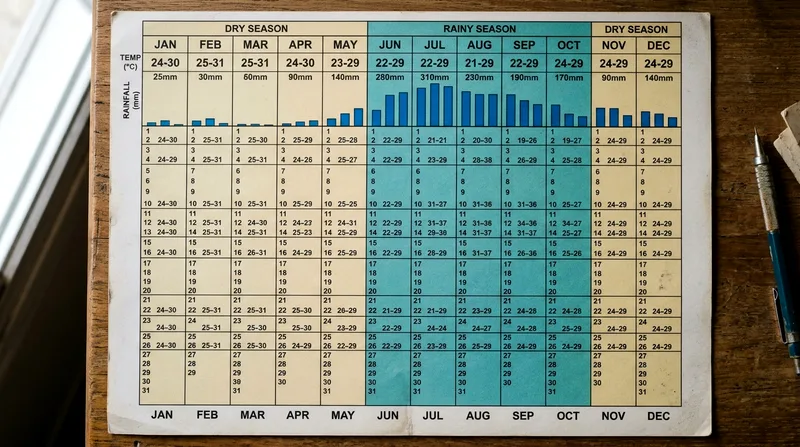
Da Nang weather by month: temperatures, rainfall, typhoon risk and sea conditions, plus which tours and activities suit each season.
10 min read · 24 Oct 2026

Plan Da Nang rainy season activities with confidence: compare rain-proof tours, see who each suits, and learn what to check for free-cancellation bookings.
10 min read · 24 Oct 2026
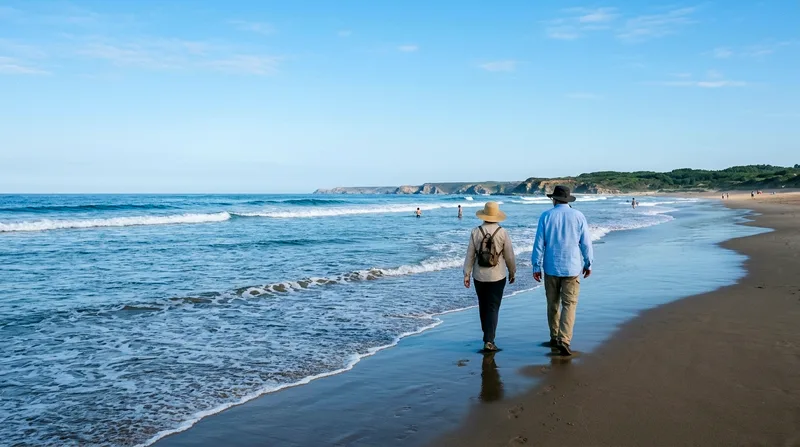
Planning Da Nang in January? See the cooler, breezy weather, what to pack including a light jacket, and which activities still work well.
8 min read · 24 Oct 2026